
BALANCE

Build a stronger, smarter handstand practice with a complete toolkit for developing strength, mobility, technique and balance. Develop your first foundations and achieve advanced hand-balancing skills.

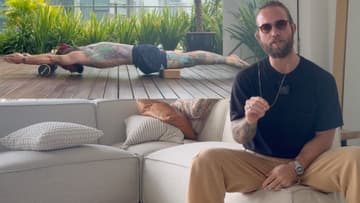
BALANCE is a complete toolkit for developing your handstand and hand-balancing practice. Rather than giving you a single program and expecting everyone to follow the same path, BALANCE gives you the knowledge, exercises and guided practices to understand what **your** practice needs. Start with the foundations of balance, alignment and activation. Build stronger, more capable wrists and shoulders. Develop the core and upper-body strength needed to support yourself upside down. Then use the wall to build confidence and control before gradually exploring freestanding handstands, different entries, arm balances, shapes and more advanced skills. Along the way, you'll learn to think about your practice through three simple qualities: **strength, shape and balance**. When a skill isn't working, this framework can help you understand why—and choose exercises that actually address what may be holding you back. BALANCE includes individual tutorials and drills alongside complete routines, guided practices and multi-day programs. Follow a structured program when you want someone to guide you, or use the exercise library to build a practice around your own goals. There is no finish line and no single correct path. Use BALANCE as an evolving resource: learn the exercises, discover what works for your body, revisit different sections as your abilities change, and gradually develop the confidence and knowledge to make the practice your own.

Contenuto del corso
START HERE
Begin here for a quick introduction to BALANCE and how to make the most of the toolkit. Learn how the material is organized, how to choose what is most relevant to your current practice, and how to think about the relationship between conditioning, drills and skills. There is a natural progression to hand balancing, but there is no single path that everyone needs to follow. Use BALANCE according to your abilities, goals and curiosity, returning to different areas as your practice develops.

HAND BALANCING FOUNDATIONS
Build a clearer understanding of what makes a handstand work before getting lost in drills and repetitions. This module introduces the biomechanics of balance, handstand-specific alignment and activation, and the relationship between strength, shape and balance. Together, these concepts provide a foundation for understanding both what you're trying to create in a handstand and what may be limiting you when things aren't working.

WRISTS
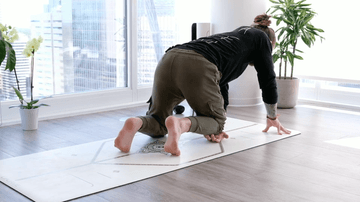
Your wrists are the foundation of almost everything we do on our hands. This module gives you practical ways to improve wrist mobility, build strength and prepare your hands and forearms for hand balancing. You'll work with stretching, CARs, strengthening exercises and complete wrist routines that can be used before practice or on their own. Take what you need, build gradually, and give your wrists time to adapt to supporting more of your body weight.


SHOULDERS
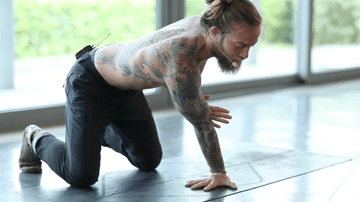
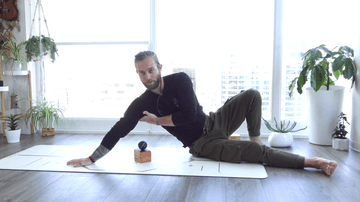
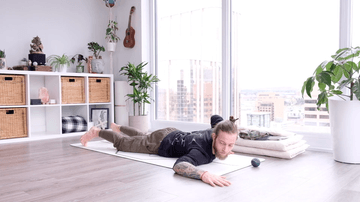
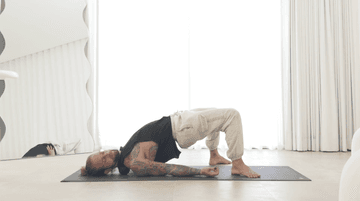
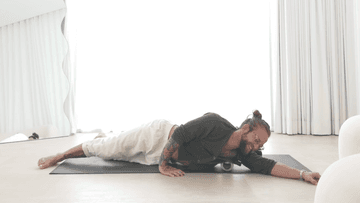
Strong, mobile shoulders make everything upside down a little easier. This module explores the mobility, strength and control needed to support your body overhead. You'll work with shoulder flexion, CARs, hanging, different mobility patterns and complete routines designed to help you create a stronger and more comfortable overhead position. Use these exercises to better understand how your shoulders move, find the areas that need a little more attention, and prepare them for the demands of handstands and other inversions.
INVERSION CONDITIONING
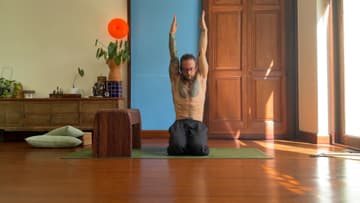
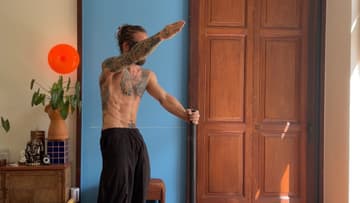
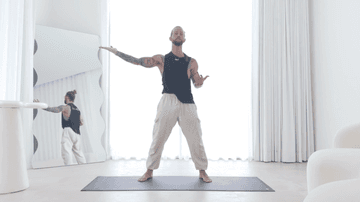
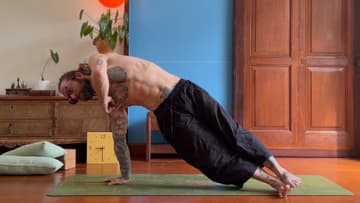
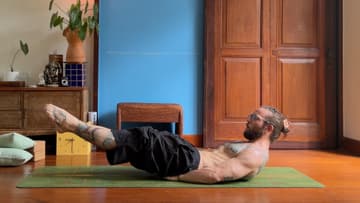
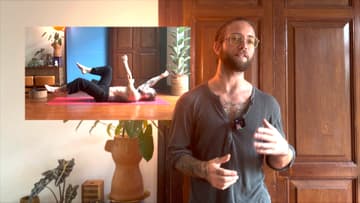
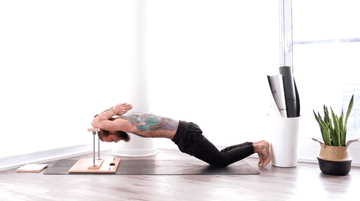
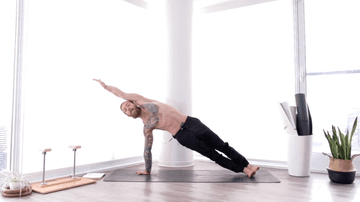
Build the physical capacity that supports your inversion and hand-balancing practice. This module focuses on core organization, pushing strength, shoulder stability and bodyweight conditioning through exercises with direct relevance to supporting and controlling yourself upside down. Use these drills to strengthen qualities that may be limiting your skills, or combine them with your regular inversion practice as targeted conditioning.

WALL FOUNDATIONS
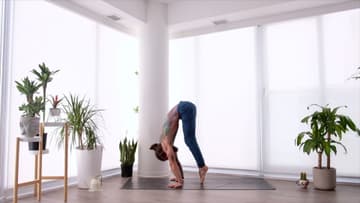
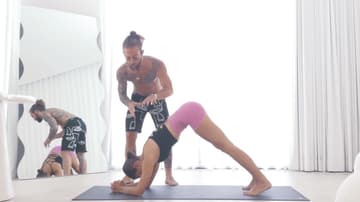
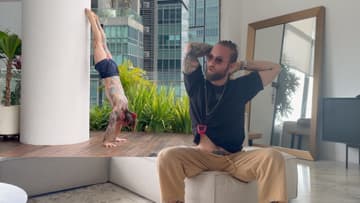
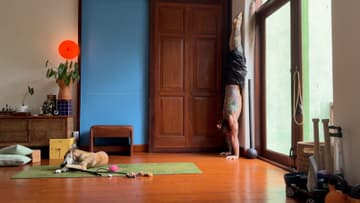
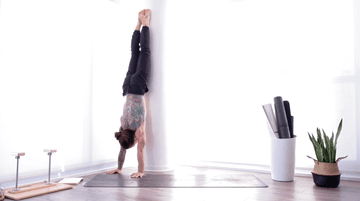
The wall is one of the most useful training tools available for developing inversions. Use it to reduce some of the uncertainty of balancing, build strength and confidence upside down, refine your alignment, and gradually introduce more demanding positions and drills. This module progresses from accessible wall-supported holds into increasingly challenging exercises designed to bridge the gap between supported practice and freestanding balance.

INVERSIONS + ARM BALANCES
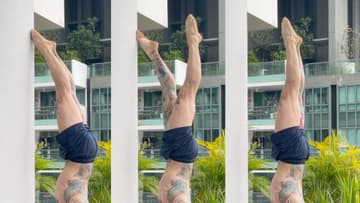
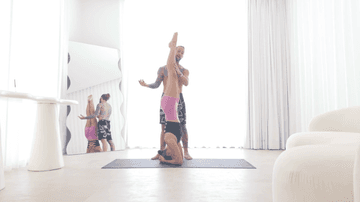
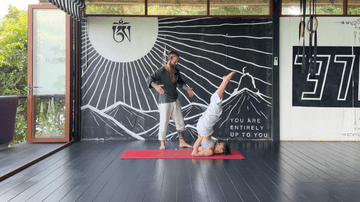
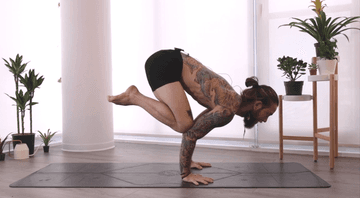
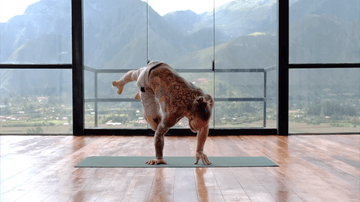
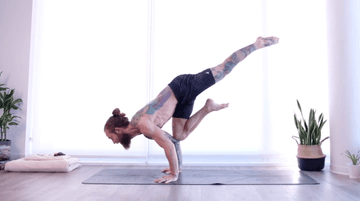
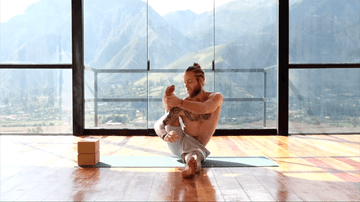
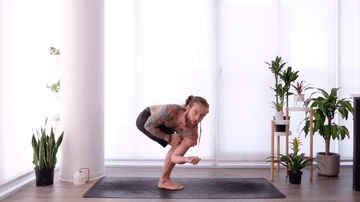
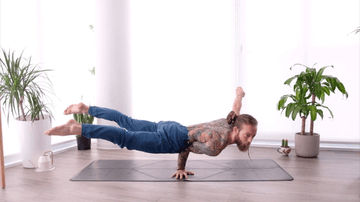
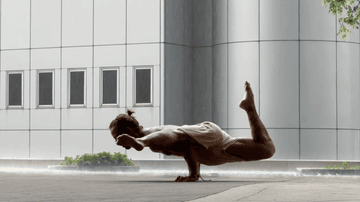
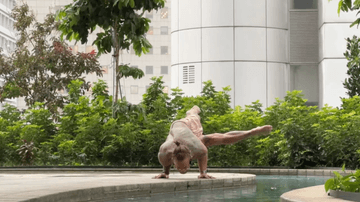
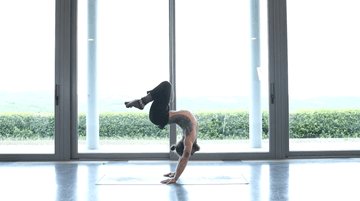
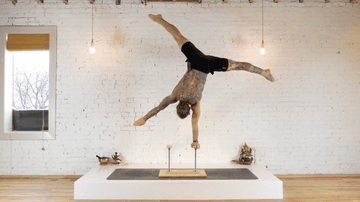
Take the strength, balance and body awareness you've been building into a wider range of inversions and arm balances. This module includes everything from foundational poses like Headstand, Shoulderstand and Crow to more challenging shapes, transitions and one-arm variations. Take your time, work with the skills that suit your current level, and come back to the harder variations as your strength and confidence grow.
ENTRIES + FREESTANDING BALANCE
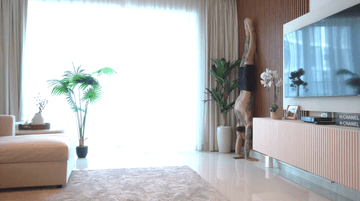
Ready to start taking your balance away from the wall? This module introduces several ways to enter a freestanding handstand, along with an important principle for keeping your practice controlled and progressive. Don't rush the freestanding work. If an entry feels scary or unpredictable, take a step back, return to the wall, and build the strength, shape or confidence you need before trying again.
HANDSTAND SKILLS
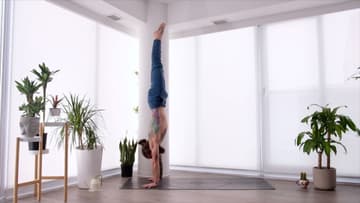
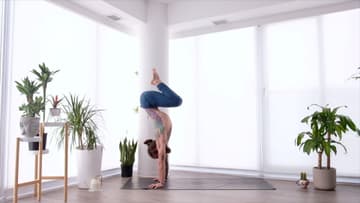
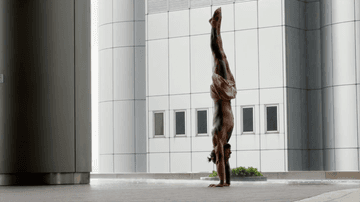
Once your basic handstand is feeling more comfortable, there are plenty of ways to start playing with it. This module explores different shapes, head positions, transitions and more advanced handstand skills. You'll also find some ideas for working with handstand canes. You don't need to master everything here. Pick the skills that interest you, play with the easier pieces first, and give yourself plenty of time to figure them out.
GUIDED PRACTICE + PROGRAMS
Not sure what to practice? Start here. This module brings together guided routines and longer programs that take the guesswork out of building your own sessions. Choose a focused conditioning routine, follow a complete handstand practice, or work through one of the multi-day programs. You don't need to complete everything. Pick the option that best matches your goals, available time and current practice.
Domande frequenti
- Do I need to already know how to handstand?
- No. BALANCE is designed to give you somewhere to begin and somewhere to grow. If you're newer to hand balancing, start with the foundations, wrist and shoulder preparation, conditioning and wall work before gradually exploring more challenging skills. If you already have a handstand practice, you can jump directly into the areas most relevant to what you're currently working on.
- Do I need to follow BALANCE in order?
- Not necessarily. There is a natural progression to the material, especially if you're newer to hand balancing, but BALANCE is designed as a toolkit rather than one rigid program. Work through it from the beginning, follow one of the guided programs, or jump between modules based on what your practice needs.
- What if I'm afraid of balancing away from the wall?
- Stay with the wall (at least for the next few weeks). We can overcome that fear with baby steps! There's no reason to rush into freestanding handstands before you feel ready. BALANCE includes an entire Wall Foundations section designed to help you build strength, improve your shape and become more comfortable supporting yourself upside down before adding the uncertainty of freestanding balance.
- Is BALANCE only about handstands?
- No. Handstands are a major focus, but BALANCE explores hand balancing more broadly. You'll also find Headstand, Shoulderstand, Crow and other arm balances alongside conditioning, mobility, transitions and more advanced hand-balancing skills. The goal is to develop a broader understanding of how your body supports and balances itself on your hands.
- How often should I practice?
- That depends on your current abilities, goals and the intensity of what you're practicing. You don't need to do everything in BALANCE every week. Some days might be focused on conditioning, mobility or wall work, while others might include more skill practice. Pay attention to how your body responds and give yourself adequate recovery between demanding sessions.
- What equipment do I need?
- Most of BALANCE can be practiced with simple equipment and a clear wall. Some lessons may use common yoga or conditioning props, and there is also optional material exploring handstand canes. You don't need a fully equipped training space to get started.
- Are there complete classes I can follow?
- Absolutely! The Guided Practice + Programs section includes shorter focused routines, complete practices and longer multi-day programs. You'll find options ranging from wrist, shoulder, core and wall routines to a complete Handstand Prep Class, the seven-day Journey to Handstand and eight-part Asana Conditioning series. Use these whenever you'd rather follow along, and use them as inspiration for eventually creating practices of your own.
- How long will I have access to BALANCE?
- BALANCE includes lifetime access. Return whenever you need a refresher, revisit different modules as your practice changes, and continue using the toolkit as your hand-balancing practice develops.